When it comes to making metal stronger and more reliable, one important process stands out — heat treatment. Among various heat treatment techniques, quenching is a crucial method widely used in industries to improve metal properties like strength, hardness, and durability. At the heart of this process is the quenching furnace, a specially designed machine that carefully controls the heating and cooling of metals. Let’s explore what a quenching furnace is, how it works, and why it plays such a vital role in enhancing metal quality.
What is Quenching?
Quenching is a heat treatment process where metal is heated to a high temperature and then rapidly cooled down. This sudden cooling changes the internal structure of the metal, making it harder and stronger. The idea behind quenching is simple: heat the metal until it becomes soft and pliable, then cool it quickly to lock in a tougher structure.
This process is especially common with steel and iron, which need to be strong but also resistant to wear and tear. Quenching helps metals withstand heavy loads, impacts, and long-term use without breaking or deforming.
Role of the Quenching Furnace
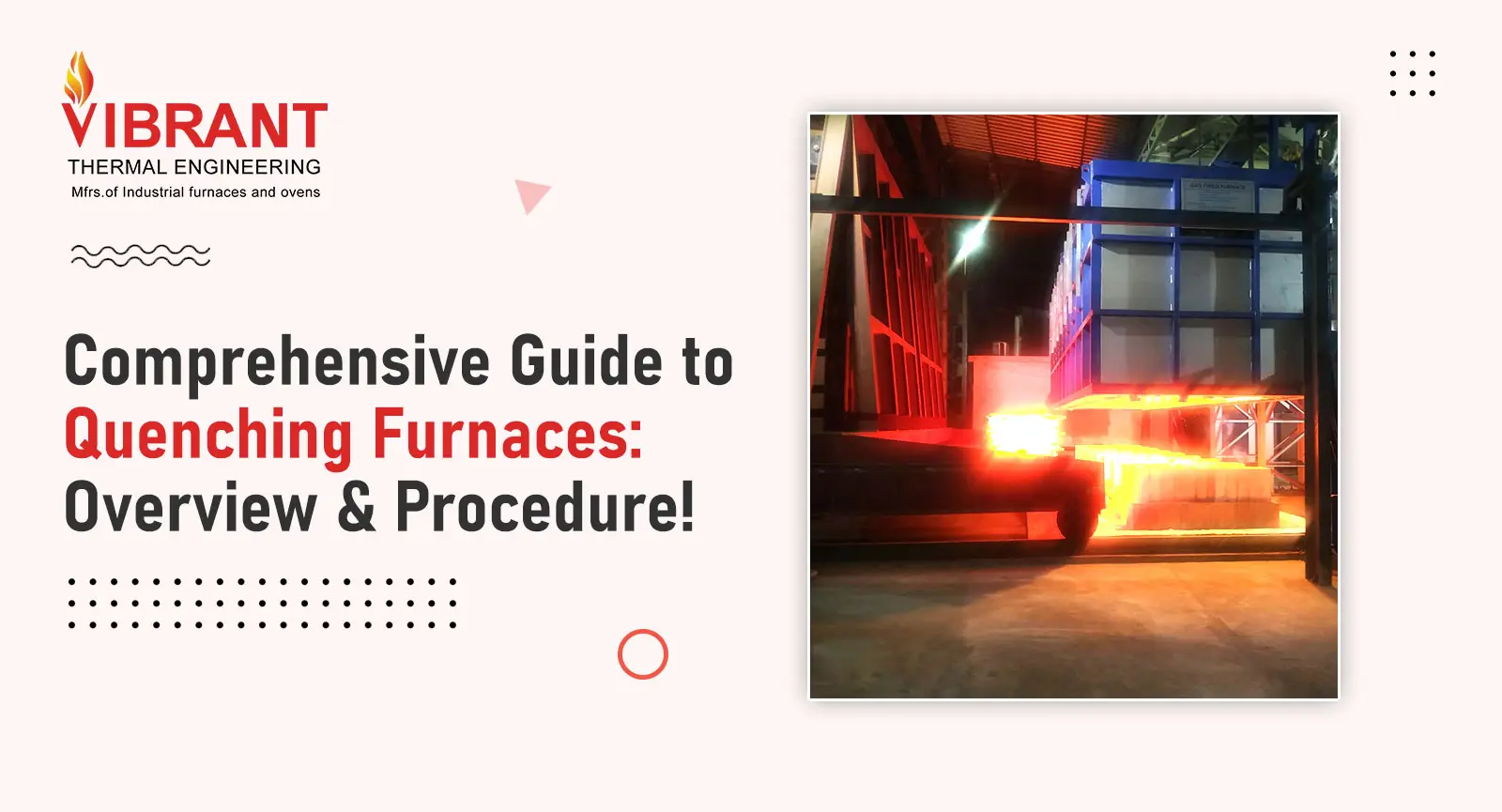
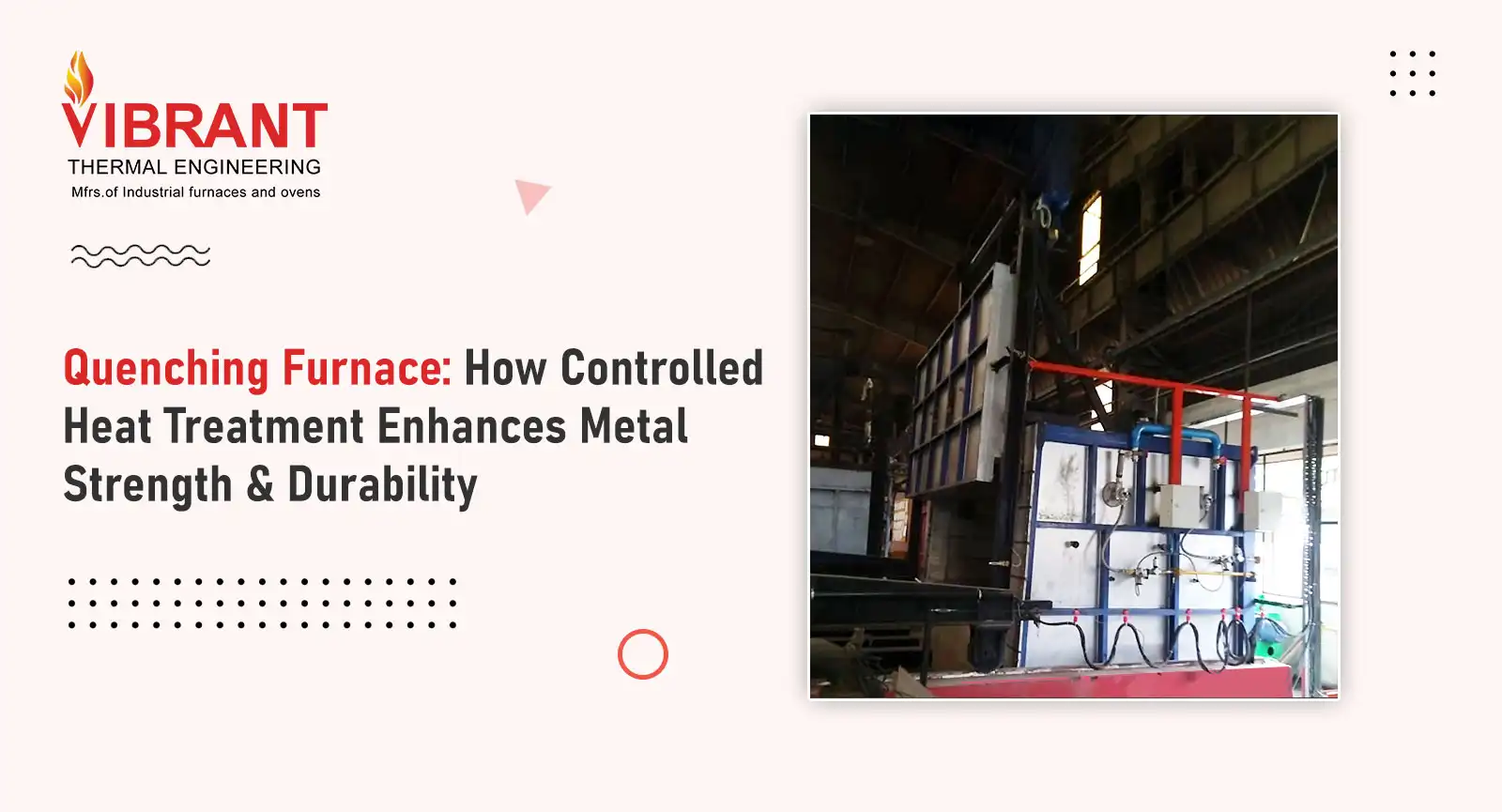
A quenching furnace is the equipment used to heat the metal before the rapid cooling step. It does much more than just heating — it controls the temperature precisely and uniformly so that the metal’s internal changes happen correctly.
Here’s how the quenching furnace works in simple terms:
- Heating: Metal parts are placed inside the furnace where the temperature is raised to a specific level, often between 800 to 1100 degrees Celsius, depending on the metal and desired properties.
- Soaking: The metal is kept at this high temperature for a set time to ensure even heating throughout the piece. This “soaking” stage softens the metal evenly.
- Transfer for Quenching: Once the metal is heated properly, it is quickly moved to a quenching medium like water, oil, or air where it cools rapidly.
The furnace’s job is crucial because uneven heating can cause warping or defects in the metal. Modern quenching furnaces are equipped with advanced controls to maintain exact temperatures and times, improving the consistency and quality of the final product.
Why Controlled Heat Treatment Matters
Without control in the heating and cooling process, metals can become brittle or develop cracks. A quenching furnace provides a controlled environment so each metal piece undergoes the right heat exposure.
Some benefits of this precise heating process include:
- Improved hardness: Proper quenching increases surface hardness, making metals more resistant to scratches and dents.
- Better strength: The internal structure becomes denser, allowing metals to handle more stress without breaking.
- Enhanced wear resistance: Metals last longer under friction and repeated use.
- Reduced risk of damage: Controlled temperature avoids overheating, preventing unwanted changes or weaknesses.
In industries like automotive, aerospace, construction, and tools manufacturing, these qualities are essential for safety and performance.
Different Quenching Media
After heating in the quenching furnace, metals must be cooled quickly. The choice of cooling medium depends on the metal type and desired characteristics. Common quenching media include:
- Water: Cools very fast but might cause cracks in some metals.
- Oil: Slower cooling than water, offering a balance between hardness and toughness.
- Air: Used for metals that need gentle cooling to avoid brittleness.
The right combination of heating in a quenching furnace and choosing the appropriate quenching medium results in metals with ideal properties for their specific uses.
Conclusion
A quenching furnace may sound like just a simple heating box, but it plays a significant role in making metals tougher and more durable. By carefully controlling temperature and timing, this equipment ensures metals develop the right strength and hardness to stand up to tough conditions.
Whether it’s car parts, machine tools, or construction materials, the heat treatment process involving a quenching furnace helps industries produce higher quality metals that last longer and perform better. Knowing about this process highlights the science behind making everyday metal products more reliable and safe.
If you work with metals or in manufacturing, understanding how a quenching furnace works can improve your approach to quality and durability. It’s a small step with big benefits in the world of metalworking.